 by
by Getting a document notarized used to mean blocking off your afternoon. You’d have to find a local notary, drive there during business hours, and wait your turn, all for a five-minute signature. It’s a process that feels outdated and inconvenient. Thankfully, there’s a much better way.
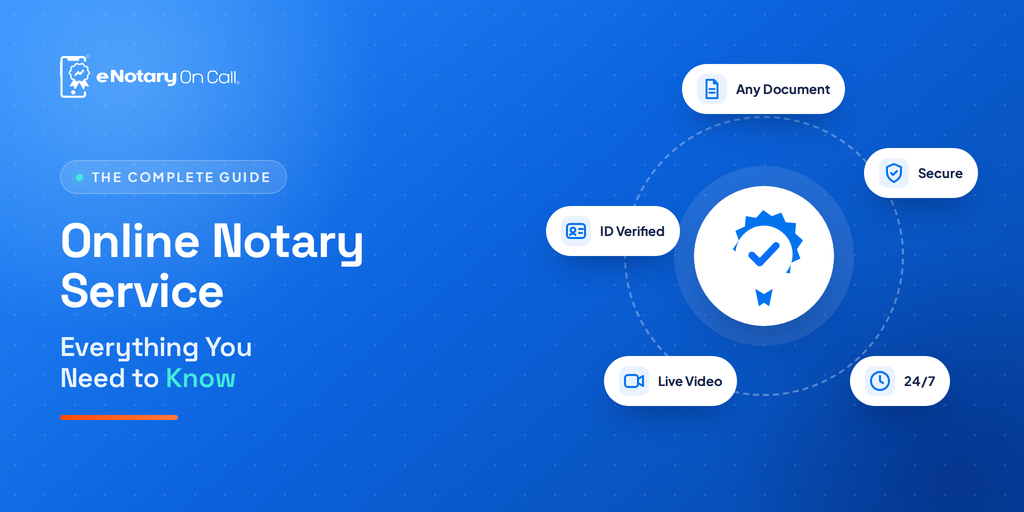
An online notary service lets you legally notarize your important documents from your computer or phone, anytime, day or night. This guide will walk you through everything you need to know, from how it works and what it costs to its legal validity, so you can handle your paperwork securely and get back to your life.
Key Takeaways
- Notarize from anywhere, anytime: Online notarization is legally recognized nationwide and lets you connect with a notary 24/7 on your computer or phone, eliminating the need to travel.
- Trust in a secure process: The service is built on strong security, using multi-step identity verification, live video recording, and a tamper-evident digital seal to create a secure audit trail for your documents.
- Check two things before you start: Most services charge a transparent flat fee, often around $25. To avoid any issues, take a moment to confirm with the document’s recipient that they accept online notarization, as some organizations have internal policies.
What Is an Online Notary?
Think of an online notary as the digital version of the traditional notary public you might visit at a bank or shipping center. Instead of driving somewhere to sign a document in person, you can get it legally notarized from your computer or phone. It’s a secure and convenient alternative that uses video call technology to connect you with a commissioned notary public.
This process, often called Remote Online Notarization (RON), allows you to verify your identity and sign documents electronically while a notary witnesses it live. It’s a fantastic option for handling important paperwork without the hassle of scheduling an in-person appointment. For many common documents, it’s a time-saving and perfectly valid way to get the official seal you need.
How Does It Work?
Getting a document notarized online is simpler than you might think. While each platform has its own interface, the core process is generally the same and only takes a few minutes. You can expect a straightforward experience with most online notary services.
Here’s how it usually goes:
- Upload Your Document: You’ll start by uploading the document you need notarized. Most services accept common file types like PDFs.
- Verify Your Identity: Next, you’ll confirm your identity by uploading a photo of your government-issued ID (like a driver’s license) and answering a few security questions.
- Connect with a Notary: You’ll be connected to a live notary public through a secure video call. They will witness you electronically sign the document.
- Download Your Document: Once the signing is complete, the notary will add their digital seal. You can then immediately download the notarized document.
What Documents Can You Notarize Online?
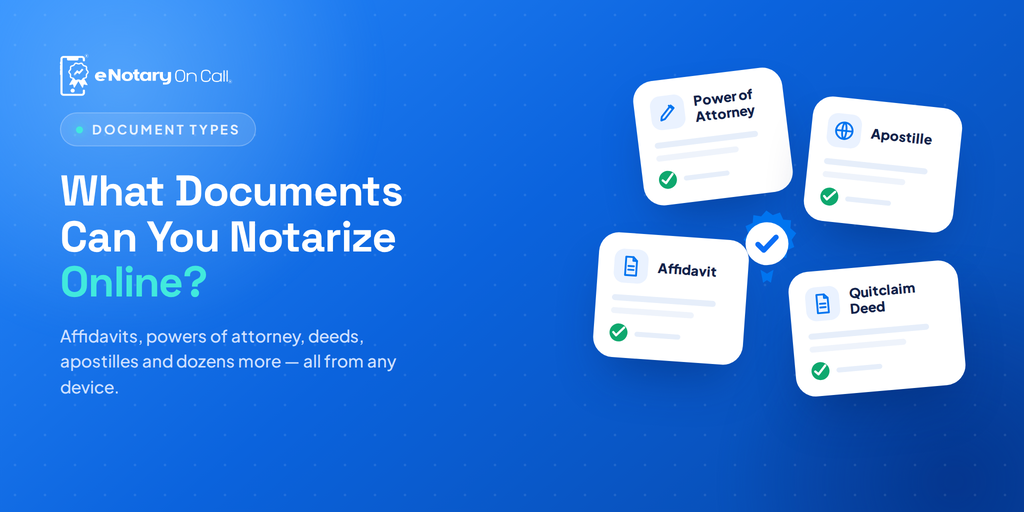
You can get a wide variety of personal and business documents notarized online. This service is especially useful for common life events and legal preparations that require a sworn signature. Many platforms even provide their own notaries or give your existing notaries eSignatures so they can work with you remotely.
People frequently use online notarization for:
- Financial documents: Affidavits, loan agreements, and trust documents.
- Real estate papers: Leases, rental agreements, and some closing documents.
- Family and personal forms: Wills, powers of attorney, healthcare directives, and consent forms for a minor to travel.
- Vehicle documents: Car title transfers and bills of sale.
What Still Requires an In-Person Notary?
While online notarization is incredibly versatile, it doesn’t cover every situation. Certain documents are still best handled with a traditional, in-person notary. The most common exception is any document intended for international use. Because other countries have different legal standards, an online notarization performed in the U.S. may not be accepted abroad.
Additionally, some highly sensitive or complex documents might require an in-person signature by law, depending on your location. Most states allow online notarization, but the specific rules can vary. If you’re dealing with a complicated legal matter or are unsure if your document qualifies, it’s always a good idea to check with a legal professional first.
Online vs. Traditional Notary: The Key Differences
Getting a document notarized used to mean one thing: finding a notary public and meeting them in person. Today, you have more options. The method you choose affects the cost, convenience, and speed of the entire process. Let’s break down the three main ways you can get a document notarized so you can decide which is right for you.
Remote Online Notarization (RON)
Remote Online Notarization, or RON, allows you to connect with a certified notary public through a secure video call. Instead of meeting in person, you and the notary use a specialized platform to verify your identities and digitally sign and seal the document. This process is incredibly efficient; you can often get a document notarized in under 10 minutes, any time of day.
Platforms, such as an approved remote online notarization platform, facilitate these sessions, ensuring they are secure and legally binding. It’s the digital equivalent of a traditional notarization, offering a convenient and fast alternative without leaving your home or office.
Mobile Notarization
Don’t confuse mobile notarization with online services. A mobile notary is a notary public who travels to meet you at a location of your choice, whether it’s your home, office, or a coffee shop. This option blends the convenience of not having to travel with the traditional in-person signing process.
While it saves you a trip, this service comes at a premium. Notaries typically charge for their time and mileage in addition to the standard notarization fee. The rules for these extra travel fees vary by state, so it’s wise to confirm the total cost upfront.
In-Person Notarization
This is the classic method you’re likely most familiar with. In-person notarization involves taking your document to a physical location, such as a bank, shipping center, or law office, to meet with a notary public. You present your ID, sign the document in their presence, and they add their official stamp or seal.
While this method is straightforward, it’s also the most restrictive. You’re limited by the notary’s business hours and availability, and you have to factor in travel time. Most states set a maximum fee for the notarial act itself, but the overall cost can still vary by provider.
Are Online Notarizations Legally Valid?
Yes, online notarizations are legally valid. Thanks to a combination of federal and state laws, a document notarized online by a commissioned notary carries the same legal weight as one signed in person.
The process, officially known as Remote Online Notarization (RON), is built with security and identity verification at its core to ensure every document is legitimate and binding. While the concept is simple, the legal side can feel a bit complex, so let’s walk through what makes it all work.
Understanding State-by-State Rules
The great news is that documents notarized online are legally recognized in all 50 states. This is possible because of interstate recognition laws, which require states to honor public acts, such as notarizations, performed in other states. However, the specific rules for the notaries themselves can vary.
While most states have passed laws allowing their notaries to perform remote notarizations, a few have not. This doesn’t affect you as the signer; it just means the notary you connect with will be commissioned in a state where the practice is permitted. Reputable platforms handle this for you, ensuring your session is always compliant with the correct notary laws by state.
What Makes It Legally Binding
An online notarization is much more than a simple video call. The process includes several security layers that make it legally sound. First, you must verify your identity through a multi-step process that often involves presenting a government-issued ID to the camera and answering a few security questions about your personal history. The entire notarization session is recorded, creating a secure audio-video record of the signing. The platform also generates a detailed audit trail that logs every action taken.
Finally, a tamper-evident digital seal is applied to the document, making it easy to confirm that no changes were made after the fact. These measures provide strong evidence that the notarization was performed correctly, making the notary service reliable.
The Tech You’ll Need
You might be surprised to learn that you probably already have everything you need to get a document notarized online. There’s no special equipment required. All you need is a computer, tablet, or smartphone with a working camera and microphone. You will also need a stable internet connection to ensure your video call with the notary is clear and uninterrupted.
The final pieces of the puzzle are your document in a digital format (like a PDF) and a valid, government-issued photo ID, such as a driver’s license or passport. With these simple tools, you can access online notary services from virtually anywhere.
The Advantages of Notarizing Online
If you’ve ever had to get a document notarized the old-fashioned way, you know the drill: find a notary, check their hours, drive over, and hope there isn’t a line. Online notarization changes all of that. It offers some serious perks that make the process simpler, faster, and often more secure. Let’s break down the main advantages that are making remote online notarization the new standard for so many people.
Convenience: 24/7, From Anywhere
Imagine needing a document notarized at 10 p.m. on a Sunday. With traditional services, you’d be out of luck. Online notarization, however, is available 24/7, 365 days a year. You can connect with a certified notary from your couch, your office, or even while traveling, using just your computer or smartphone.
This eliminates the need to schedule appointments, find a local notary, or travel. It puts the entire process on your schedule, giving you the freedom to get things done whenever and wherever you need to. Many platforms offer this round-the-clock notary service to fit your life, not the other way around.
Speed: Faster Than Traditional Methods
Forget blocking out an hour of your day for a simple signature. The speed of online notarization is a game-changer. Once you upload your document and verify your identity, you can connect with a live notary in seconds. The actual notarization session often takes less than 10 minutes from start to finish.
Compare that to the time it takes to drive to a bank or a shipping store, wait in line, and complete the paperwork in person. This efficiency is perfect for time-sensitive documents or just for getting a task off your to-do list quickly. Services like those offered through FedEx Office emphasize this quick turnaround, making it a go-to for urgent needs.
Cost: More Affordable Than You Think
When you think about the cost of traditional notarization, you have to factor in more than just the notary’s fee. There’s the cost of gas, parking, and maybe even time taken off work. Online notarization simplifies this with straightforward pricing.
Most services charge a flat fee, typically around $25 for the first notary seal, with a lower fee for each additional seal on the same document. This transparency means you know exactly what you’re paying upfront, without any hidden travel or time-related expenses. It’s a clear, predictable cost for a much more convenient and efficient service.
Security: Safer Than You Might Expect
It’s natural to wonder whether an online process is as secure as an in-person one, especially when it involves important documents. Online notarization platforms are built with security as a top priority. They use advanced identity verification methods, often requiring you to answer personal questions and show a photo ID on camera. This multi-step process can be more robust than a simple in-person glance at an ID.
Furthermore, every online notarization session is recorded and stored, creating a secure digital audit trail that helps prevent fraud. This record provides clear evidence of the transaction, offering a level of security and verification that traditional paper-based methods simply can’t match.
How Much Does an Online Notary Cost?
Let’s talk about money. When you think about the time, travel, and hassle of finding an in-person notary, you might assume that an online service is a premium, expensive option. But that’s usually not the case. Online notarization is often more affordable and transparent than you might think, especially when you factor in the convenience.
Most platforms use a straightforward pricing model, so you know what you’re paying for before you even start. The cost typically depends on a few key factors: the number of documents you need notarized, how many signers are involved, and whether you need any extra services, like a witness.
Understanding this structure helps you see exactly where your money is going, with no surprises at the end. We’ll break down the common pricing models and point out a few potential extra costs to keep on your radar.
How Pricing Works
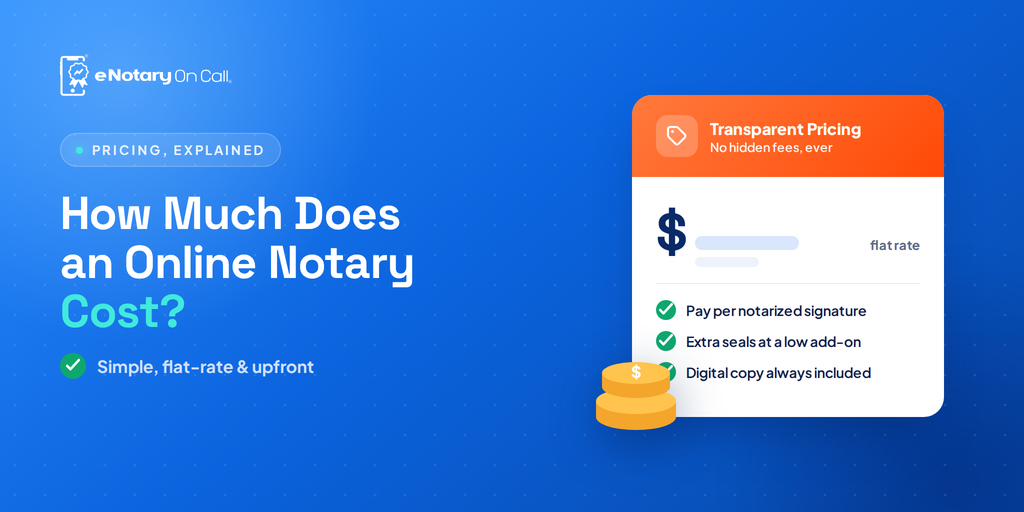
Most online notary services have a simple, tiered pricing structure. You can expect a base fee for the first document, with smaller charges for any additional needs. The industry standard for a single document with one notary seal. This initial fee covers the cost of the platform and the live session with a commissioned remote notary.
If your document requires more than one notarial act (such as multiple signatures, each requiring a separate seal), there’s usually an add-on fee of about $10 for each extra seal. The same goes for other participants. If you have a second person signing the document, it might cost an extra $5. And if your document requires a witness, the platform can often provide one for an additional fee, typically around $10.
Hidden Fees to Watch For
While most online notary platforms are upfront about their pricing, there are a couple of things to keep in mind to avoid unexpected costs. First, some states allow for a small, state-mandated “technology fee” for remote notarizations, which may be added to your total. This isn’t a platform fee but a charge set by state law.
The biggest potential “cost” isn’t a fee at all, but the risk of paying for a notarization that isn’t accepted. Before you start a session, it’s a good idea to check with the person or organization receiving your document to confirm they accept remote online notarizations. While they are legally valid in all 50 states, some institutions may have their own internal policies. A quick phone call or email can save you both time and money.
Online Notary Myths, Busted
Let’s clear the air. The idea of notarizing important documents through a screen can feel a little strange at first, and it’s led to some common misunderstandings. If you’ve heard things that make you hesitant, you’re not alone. Let’s walk through the biggest myths about online notarization and get to the facts.
Myth: “It’s not legally valid.”
This is probably the biggest question people have, and the answer is refreshingly simple: Yes, online notarizations are legally valid. Thanks to state and federal laws, a document notarized online is just as binding as one stamped in person. All 50 states recognize and accept documents notarized online. So, you can feel confident that your remotely notarized power of attorney, affidavit, or bill of sale will hold up. It’s a modern solution with the full backing of the law.
Myth: “It’s not secure.”
Handing over personal information online always requires a bit of trust. Reputable online notary services take this seriously and use robust security to protect you. Think of it like online banking. These platforms use strong encryption and identity verification checks to prevent fraud. For example, many use a multi-step process to confirm you are who you say you are before you even connect with the notary. These high industry standards mean your private documents and personal data are kept safe.
Myth: “You can notarize any document online.”
While online notarization is incredibly versatile, it’s not a one-size-fits-all solution for every single document. Most standard documents are perfectly fine to notarize online, but some, like wills in certain states or specific international documents, may have unique requirements. The best rule of thumb? Always check with the person or organization receiving your document. A quick phone call or email to confirm they accept an online notarization can save you a headache later. It’s a simple step that ensures everything goes smoothly.
Myth: “It’s too complicated.”
You don’t need to be a tech wizard to notarize a document online. The platforms are designed to be user-friendly and straightforward. The whole process usually involves just a few steps: upload your document (you can even scan it with your phone), verify your identity, connect with a live notary via video call, and then download your completed, notarized file. It’s a simple, guided experience that takes just a few minutes. If you can handle a video chat with family, you can definitely handle an online notarization.
Choosing the Right Online Notary
With so many options available, picking the right online notary service can feel a bit overwhelming. But it doesn’t have to be. When you know what to look for, you can confidently choose a platform that’s secure, easy to use, and fits your needs. Think of it like choosing any professional service; you want someone reliable, transparent, and efficient. By focusing on a few key areas, you can find a service that makes the entire process smooth and stress-free, ensuring your important documents are handled with care from start to finish.
Prioritize Top-Notch Security
When you’re dealing with sensitive personal documents, security is non-negotiable. Your first priority should be finding a platform that uses strong security measures to protect your information. Look for services that mention using encryption and other robust protocols to keep your data safe during and after the notarization. A reputable online notary service will be transparent about how they protect you. For example, platforms like online notarization providers are built with security at their core, giving you peace of mind that your private information will remain private.
Look for a User-Friendly Platform
The whole point of using an online notary is convenience, so the platform itself should be simple to use. A clunky or confusing interface defeats the purpose. The best services have a straightforward process that guides you from start to finish. You should be able to easily upload your documents, whether they’re in PDF or Word format, without any technical headaches. A clean, intuitive design makes the experience much more pleasant and ensures you can get your documents notarized without any unnecessary frustration.
Check Notary Availability and Speed
If you need a document notarized, chances are you need it done soon. That’s why speed and availability are critical. Check to see if the service offers 24/7 access to notaries. The last thing you want is to be stuck waiting for business hours, especially if you’re in a different time zone or have an urgent deadline. Top-tier services can connect you with a licensed notary in just a few minutes. Some platforms even complete most notarizations in under 10 minutes, making it an incredibly efficient option for your busy schedule.
Understand Document Storage and Access
What happens after your document is notarized? You should have immediate and easy access to it. Before committing to a service, find out how you can retrieve your completed files. A good platform will allow you to download or share your notarized document as soon as the session is over. This is crucial for meeting deadlines or quickly sending the document to its next destination. You shouldn’t have to wait or jump through hoops to get a copy of your own legally binding paperwork.
Demand Transparent Pricing
No one likes hidden fees. A trustworthy online notary service will be upfront about its costs. Look for a clear pricing structure on their website before you begin. You should know exactly what you’re paying for, whether it’s a flat fee for the notarization or additional charges for extra notary stamps. For instance, a service might charge a base fee of $25 for the first seal and a smaller fee for any additional ones. This kind of transparency ensures you won’t be surprised by the final bill.
Confirm Nationwide Acceptance
Finally, make sure the notarization will be legally recognized where it needs to be. While online notarization is widely accepted, it’s smart to confirm the service’s validity. Reputable platforms are legally compliant and their notarizations are accepted in all 50 states. This is a crucial detail, as it ensures your document will be honored nationwide, whether you’re signing a real estate contract or a power of attorney. Checking for this confirmation provides the final layer of assurance that you’re choosing a reliable service.
How to Get Your Document Notarized Online
Getting a document notarized online might sound complicated, but it’s actually one of the most straightforward things you can do. The entire process is designed for convenience and can be broken down into a few simple steps. You don’t need any special technical skills, just your document, a valid ID, and a device with a camera.
Here’s a quick walkthrough of what to expect:
- Upload your document. The first thing you’ll do is upload your document to the secure online platform. Most services accept common file types like PDFs and Word documents, so you can just drag and drop the file you already have. There’s no need to print anything out.
- Verify your identity. Next, you’ll confirm you are who you say you are. This is a critical security step that makes the whole process legally sound. You’ll typically answer a few questions based on your personal history and then show your government-issued photo ID (like a driver’s license or passport) to the camera. This ensures you can securely prove your identity before connecting with a notary.
- Connect with a live notary. Once your identity is confirmed, you’ll be connected to a licensed notary public through a live video call. This is where the notarization happens. The notary will witness you electronically signing the document and will then add their own digital signature and seal. Many platforms offer this service 24/7 through a process called Remote Online Notarization, so you can complete this step whenever it fits your schedule.
- Download your notarized document. As soon as the video call ends, your notarized document is ready. You can immediately download the secure file, share it via email, or store it for your records. The final document is tamper-evident, so you can be confident in its integrity.
Frequently Asked Questions
1. Will the person receiving my document accept an online notarization?
That’s a great question. While online notarizations are legally valid in all 50 states, it’s always smart to check with the final recipient first. Some organizations, especially very traditional ones, might have their own internal policies. A quick phone call or email to confirm they accept remote online notarizations can save you time and give you peace of mind.
2. Is it really safe to upload my ID and important documents online?
Yes, it is. Reputable online notary platforms use security measures similar to online banking to protect your information. The process includes several layers of identity verification, like answering security questions and showing your ID on a recorded video call. This can be even more secure than a quick, in-person check, as it creates a detailed digital record of the entire event.
3. How long does it really take to get a document notarized online?
It’s surprisingly fast. For most people, the entire process takes about 10 to 15 minutes. You’ll spend a few minutes uploading your document and verifying your identity. After that, you’ll connect with a notary for a live video session that usually lasts just a few minutes. Once it’s done, you can download your notarized document immediately.
4. What’s the real cost of an online notarization?
Most services charge a flat fee, which is typically around $25 for a standard notarization. This fee covers the secure platform and the live session with the commissioned notary. When you consider that you don’t have to spend money on gas or parking, or take time off work to travel, it’s often a very cost-effective option.
5. What happens if I get disconnected during the video call?
Don’t worry, technical glitches happen. Online notary platforms are designed to handle interruptions. If your internet connection drops, you can usually just log back in and reconnect to your session to finish the process. You won’t be charged for an incomplete notarization, and the notary will be there to help you get back on track.