
 by
by It’s a common myth that a travel consent form is only necessary for international adventures. The truth is, you might need one for a domestic flight just as much as for a trip across the globe. Many parents also mistakenly believe a quick handwritten note will do the trick, but officials often require a formal, notarized document. These misconceptions can lead to serious travel delays and stress. This article will clear up the confusion and give you the facts. We’ll cover when you need a form, what to include, and why getting it notarized is your smartest move for a hassle-free trip.
Key Takeaways
- Prepare a form for every trip: A travel consent form is essential anytime a child travels without both parents, whether the trip is domestic or international. Having this document ready is the best way to avoid being delayed by airline staff or border officials.
- Include all the essential details: Your form must be thorough to be effective, so include the child’s information, a complete travel itinerary, details about the accompanying adult, and clear authorization from the non-traveling parent. A vague or handwritten note will not be accepted.
- Notarize the form and verify external rules: Getting the form notarized adds an official layer of verification that authorities look for, especially on international trips. You also need to check the specific entry rules for your destination country and the airline’s policies for minors.
What Is a Travel Consent Form?
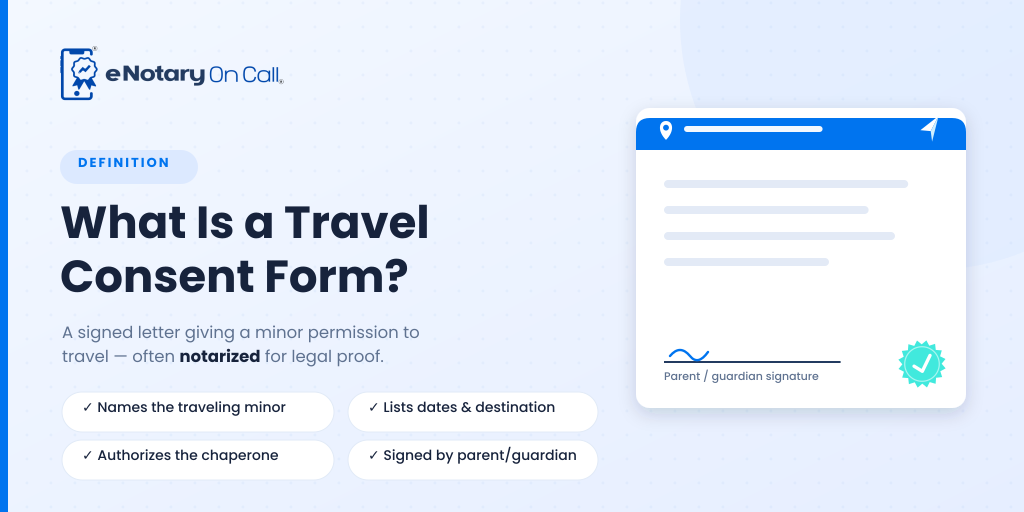
A travel consent form is a legal document that grants a minor (a child under 18) permission to travel without both parents or legal guardians present. Think of it as an official permission slip that confirms everyone is on the same page about the trip. It’s typically signed by the non-traveling parent or parents and shows authorities that the child isn’t being taken without consent. While it might seem like just another piece of paperwork, its main purpose is serious: to prevent child abduction and ensure the safety of minors.
This form is often called a Parental Consent Letter or a Child Travel Consent Form. No matter the name, its function is the same. It provides clear, written documentation that the child has permission to be traveling with one parent, a grandparent, a school group, or even alone. Airlines, border officials, and other authorities may ask to see this letter, especially during international travel. The U.S. Department of State offers official guidance for traveling with minors and strongly recommends carrying this form to avoid any issues.
Why You Shouldn’t Travel Without One
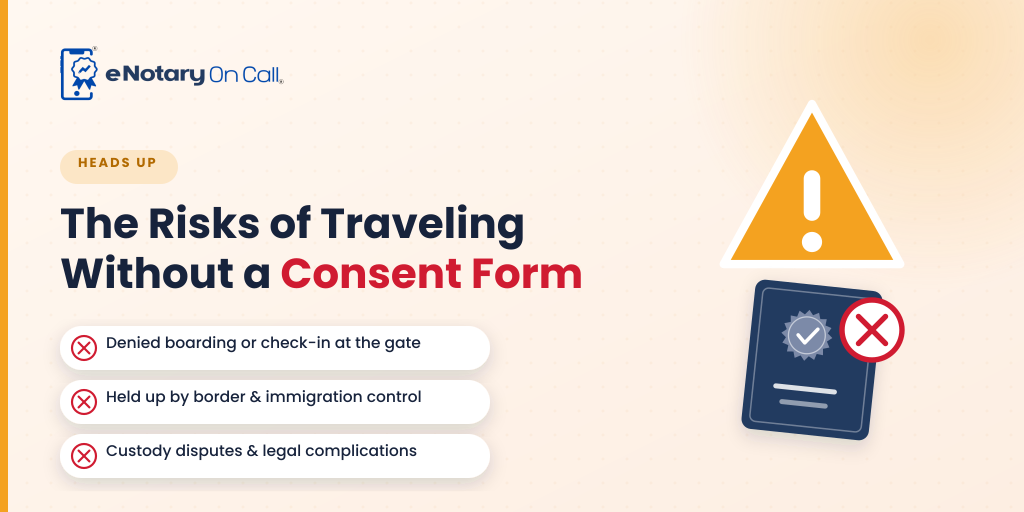
Traveling without a consent form is a gamble that can derail your plans. The most immediate risk is being delayed or even denied boarding by an airline or turned away at a country’s border. Officials are trained to be cautious, and a child traveling without both parents can raise red flags. This form is your best tool for showing that the trip is approved and legitimate.
The letter is a key measure to prevent child abduction, which is why it’s so important. It gives the traveling adult clear authority and protects them from potential accusations. Even if you’re never asked for it, having a signed and notarized consent form provides peace of mind. It’s a simple step that can save you from stressful situations and prove you’ve done your due diligence.
When Do You Need a Travel Consent Form?
A travel consent form is one of those things you hope you’ll never need, but you’ll be incredibly grateful for if you do. It’s not just for far-flung international adventures; many common travel situations call for one. Think of it as your official permission slip that proves your child has the green light to travel from any parent or guardian who isn’t on the trip.
Having this simple document ready can be the difference between a smooth check-in and a stressful, trip-derailing delay at the ticket counter or border. Let’s walk through the specific times you’ll want to have one in hand.
For Trips with Only One Parent
If your child is traveling with just one parent, it’s wise to carry a travel consent form signed by the other. This is especially true if the parents are separated or divorced. U.S. Customs and Border Protection strongly recommends carrying a note from the non-traveling parent, as it helps demonstrate that the trip is approved by all legal custodians.
This simple step provides clear evidence that you have permission, preventing officials from suspecting any custody disputes or parental kidnapping. It’s a straightforward way to ensure your family vacation starts without a hitch.
When a Grandparent or Friend Is in Charge
Is your child heading to a sports tournament with their coach or going on a weekend trip with their grandparents? Whenever your child travels with an adult who isn’t their legal guardian, a travel consent form is required. This document gives the accompanying adult the authority to travel with your child and make decisions on their behalf.
Without it, a well-meaning family friend or relative could face serious questions from airline staff or authorities. The form serves as an official online notarization provider that you have granted them permission for the trip.
If Your Child Is Flying Solo
When your child is old enough to fly alone as an “unaccompanied minor,” a travel consent form is a must. While airlines have their own specific forms and procedures, a general travel consent form provides an extra layer of documentation. It confirms your approval of the trip and outlines who is authorized to drop them off and pick them up at their destination. Always check your airline’s policy well in advance, as each airline has unique rules, fees, and age requirements for children traveling alone.
For Both International and Domestic Trips
Many people think travel consent forms are only for crossing international borders, but they are just as important for domestic trips. While you might not be asked for it on a simple flight from one state to another, having one can be crucial if an emergency occurs or if you need to prove the traveling adult has your permission.
For international travel, however, it’s non-negotiable. Many countries have strict laws to prevent international child abduction and may deny entry without a properly signed and notarized consent form.
What to Include in Your Travel Consent Form?
A travel consent form is a straightforward document, but its power lies in the details. Leaving out key information can render the letter useless, potentially causing the exact delays you’re trying to avoid. Think of it as a permission slip for the world, and make sure it’s filled out correctly. To ensure your form is comprehensive and clear, it should contain a few essential sections that paint a complete picture of the trip and the permissions you’re granting.
Each piece of information serves a specific purpose, from identifying your child to providing emergency contacts. By including all the necessary components, you create a document that officials can quickly understand and verify, helping your child’s trip go off without a hitch. Let’s walk through exactly what you need to include.
1. Your Child’s Information and Itinerary
First things first, you need to clearly identify your child. Start with their full legal name, date of birth, and place of birth. If they have a passport, include the passport number, date of issue, and expiration date. This provides officials with verifiable proof of your child’s identity.
Next, outline the specifics of the trip. This isn’t the time to be vague. Include the exact start and end dates of the travel period. Detail the travel itinerary, including flight numbers, destinations, and the addresses of where your child will be staying. A clear itinerary shows that this is a well-planned trip and leaves no room for ambiguity about your child’s whereabouts.
2. Details About the Accompanying Adult
If your child is traveling with a grandparent, teacher, or even just one parent, this section is crucial. You’ll need to provide the full legal name of the adult chaperone or group leader. It’s also important to state their relationship to your child (e.g., “paternal grandmother,” “soccer coach,” or “parent”).
To make it easy for officials to verify their identity, include the accompanying adult’s passport number, issue date, and expiration date. This information connects the adult directly to the child and the travel plans, confirming they are the authorized individual. If your child is traveling as an unaccompanied minor, you can simply note that on the form instead.
3. Your Official Authorization and Signature
This is the heart of the document. It’s your formal statement granting permission for the trip. The authorization should be clear and direct, for example, “I (your full name) authorize my child (child’s full name) to travel with (accompanying adult’s full name).” If both parents have legal custody, both should sign the form, especially for international travel. If only one parent is traveling with the child, the non-traveling parent provides the signature.
Along with your signature, include your full name, address, and phone number. This makes it easy for officials to contact you for verification. For added authority, it’s highly recommended to have the form witnessed and notarized. Many countries and airlines consider notarization a standard part of the international travel documents for children.
4. Who to Call in an Emergency
While you hope you’ll never need it, having clear emergency contact information is non-negotiable. This section provides peace of mind for you and the traveling guardian. List the full names, addresses, and phone numbers for any non-traveling parents or legal guardians. It’s also a smart idea to include at least one additional emergency contact, like a close relative or family friend who is aware of the travel plans. This ensures that someone can always be reached if the primary contacts are unavailable.
5. Permission for Medical Care
It’s a common misconception that a travel consent form automatically grants the accompanying adult the authority to make medical decisions. In most cases, it doesn’t. This form is about permission to travel, not to provide medical care. While you can include a clause authorizing the chaperone to consent to emergency medical treatment, it may not be sufficient in all situations or at all facilities.
For comprehensive coverage, you should prepare a separate document. A minor child power of attorney form is a legal document specifically designed to grant another adult temporary authority over your child’s care, including making important medical decisions. It’s an extra step that provides an essential layer of protection.
Should You Get the Form Notarized?
The short answer is yes. While it might feel like an extra step, getting your travel consent form notarized is one of the smartest things you can do to ensure a smooth trip. A notarized document carries significant weight because it means that a neutral third party, a Notary Public, has verified the signer’s identity. This simple act transforms the letter from a simple note into an official statement.
For domestic travel, a notarized form might seem like overkill, but it can still prevent potential confusion. For any international trip, however, you should consider it essential. Many countries have strict rules to prevent child abduction, and border officials are trained to look for proper documentation. A notarized letter shows you’ve taken the process seriously and helps them quickly confirm that your child has permission to travel. Think of it as travel insurance; it’s a small step that can save you from a major headache.
When Notarization Is a Must
For any international travel, getting the form notarized is a critical step. U.S. Customs and Border Protection strongly recommends carrying a notarized letter giving the child permission to travel. This is especially important if the parents are divorced or separated, as it clarifies that the trip doesn’t violate any custody agreements. The notary’s seal is a universal sign of authenticity that helps officials in other countries verify the document without delay.
Some countries won’t just recommend it; they require it. Without a notarized form, your child and their guardian could be denied entry at the border, turning a dream vacation into a nightmare. Since entry requirements can change, notarizing the form is the safest bet to meet the strictest possible standard and avoid any issues.
How to Notarize Your Travel Consent Form?
Getting your form notarized is a straightforward process. A notary public is an official appointed by the state to witness the signing of important documents. You can usually find a notary at your local bank, a UPS store, or a law office. Some services even offer mobile notaries who can come to your home or office.
The most important rule is to not sign the form ahead of time. You must sign it in the physical presence of the notary. Bring the unsigned form and a valid government-issued photo ID, such as a driver’s license or passport, to verify your identity. After watching you sign, the notary will complete their portion with their signature and an official stamp or seal.
Nowadays, most fo the people have started to use online notarization services like eNotary On Call to notarize the Travel Consent Form online. The platform provides quick online notary services to get your docs notarized instantly, in just a few minutes.
Why Notarization Is Necessary for Travel Consent Form?
A signed and notarized travel consent form is a huge step toward a stress-free trip, but it’s not the only piece of paperwork you’ll need. Think of it as the foundation of your child’s travel document packet. On top of the consent form, you also have to account for the specific rules set by airlines and foreign countries, which can vary quite a bit.
Getting stopped by an official is the last thing you want, so a little prep work is essential. Before the trip, the traveling adult should confirm they have everything required by the destination country and the airline. This extra diligence ensures you’re not just meeting the legal requirements at home but also respecting the regulations wherever your child is headed. Taking the time to check these rules will give everyone peace of mind and help the trip go off without a hitch.
Find Entry Requirements for Your Destination
If your child is traveling internationally, you absolutely must check the entry and exit rules for that specific country. These requirements can be very different from what you’re used to in the U.S. The best way to get accurate information is to go straight to the source. You can find the specific rules by checking with the embassy or consulate of the country your child plans to visit. They will have the most current details on what documents are needed, including whether your consent letter needs to be translated or authenticated in a certain way. Don’t rely on old information or what a friend did last year, as these rules can change.
Know What Other Documents to Bring
Every child, including a newborn baby, needs their own set of travel documents. For international trips, this always means a valid passport. Beyond that, the travel consent form is critical, especially if the child is traveling with only one parent or an adult who isn’t their legal guardian. The U.S. Department of State often recommends a notarized permission letter in these situations. It’s a good idea to pack a copy of your child’s birth certificate and any relevant custody agreements as well. Having a complete folder with all these required travel papers will help you handle any questions from officials smoothly.
Look Up Airline Policies for Minors
Airlines have their own set of rules for children, particularly for those flying as unaccompanied minors. These policies can include age restrictions, specific forms you need to fill out, and extra fees. Many airlines offer an escort service where an employee will accompany your child from the gate, onto the plane, and to the designated pickup person at their destination. Since every airline operates differently, you should always check the specific airline’s policy well before the travel date. A quick visit to their website or a call to customer service will clarify what’s needed to ensure your child’s journey is safe and follows all their procedures.
Common Myths About Travel Consent Forms
When it comes to traveling with kids, there’s a lot of information floating around, and not all of it is accurate. Travel consent forms are a perfect example. Getting the facts straight can save you from major headaches at the airport or border. Let’s clear up some of the most common myths so you can prepare for your trip with confidence.
Myth: One Parent’s Signature Is Fine
It’s easy to assume that if one parent is on the trip, their signature is all you need. While that might be true in some cases, it’s a risky bet to make. Many countries have strict entry requirements to prevent international child abduction. The U.S. Department of State warns that while the U.S. doesn’t always require it, many other countries do require permission from any non-accompanying parent. To be safe, always get a signed and notarized consent form from the other parent. It’s far better to have it and not need it than to be turned away at customs.
Myth: A Handwritten Note Is Good Enough
A quick, handwritten note might feel personal and sufficient, but it likely won’t pass muster with an airline agent or border official. These situations require formal documentation. Officials need to verify that the permission is authentic, which is why a simple note often isn’t enough. Many countries and airlines specify that you need a formal letter that has been signed and notarized. This official stamp confirms the identity of the person signing and their intent. Don’t leave it to chance; use a proper child travel consent form and get it notarized to avoid any questions about its validity.
Myth: You Only Need It for International Trips
This is a big one. Many people believe consent forms are only for stamping passports and crossing international borders. However, they can be just as important for domestic travel. Think about it: if your child is flying with a grandparent, family friend, or even alone, the airline might require proof of your permission. A travel consent form is designed for any situation where a child travels without both parents. It serves as official permission for another adult to supervise your child or for your child to travel solo, giving you and the airline peace of mind.
Myth: It Includes Medical Consent
A travel consent form and a medical consent form are not the same thing. It’s a critical distinction. Your travel consent form authorizes the trip itself, allowing another adult to have your child in their care for travel purposes. It does not, however, automatically grant them the authority to make medical decisions. If you want the accompanying adult to be able to approve medical care in an emergency, you need a separate document. This is typically called a minor child’s power of attorney form. Having both documents ensures your child is fully cared for, no matter what happens.
The Risks of Traveling Without a Consent Form
Thinking about skipping the travel consent form to save a little time? I get it, but it’s a gamble that could derail your entire trip. From ruined vacations to serious legal questions, traveling without this simple document just isn’t worth the risk. Let’s walk through exactly what could happen, so you can make sure your trip goes off without a hitch.
Getting Turned Away at the Airport or Border
Imagine this: you’ve packed the bags, hyped up the kids, and made it to the airport, only to be told you can’t board the plane. This is a real possibility without a travel consent form. Airline staff and border officials are trained to be cautious, and a child traveling with only one parent or another guardian can raise red flags. When you’re traveling internationally with children, the rules get even stricter. Many countries require a signed, and often notarized, letter from the non-traveling parent to grant entry. Without it, you could be denied entry and sent right back home, turning a dream vacation into a nightmare at the border.
Potential Legal Trouble for the Guardian
Beyond the frustration of a canceled trip, traveling without a consent form can lead to uncomfortable legal situations for the accompanying adult. These forms are a key tool for authorities to prevent child abduction. If you’re traveling with a minor who isn’t your child, or even as the sole parent, officials may detain you for questioning to confirm you have the legal right to be traveling with them. This can be an incredibly stressful and frightening experience for both you and the child. A consent form acts as your official online notarization provider that the trip is approved by all legal guardians, quickly clearing up any suspicion and allowing you to continue your journey without issue.
How It Can Affect Custody Agreements
For parents who are separated or divorced, a travel consent form is non-negotiable. Traveling without the other parent’s documented permission can be interpreted as a violation of your custody agreement. Even if your arrangement is amicable, this can create mistrust and lead to serious legal conflict down the road. If you have sole custody, you should always travel with a copy of the court order to prove it. In all other cases, having a consent letter signed by the other parent protects you and demonstrates that you are respecting their parental rights. It’s a simple step that provides clear evidence of your agreement and helps keep your co-parenting relationship on solid ground.
Make Your Trip Go Smoothly: A Quick Checklist
You’ve dotted the i’s and crossed the t’s on your travel consent form. Now what? Before you file it away in a travel folder, run through this final checklist. These simple steps will help you handle any document requests with confidence and keep the focus on making memories. Taking a few extra minutes to prepare now can save you from major stress at the airport or border, ensuring your child’s trip starts and ends on a high note.
Bring Multiple Copies (Digital and Physical)
Think of it as a backup for your backup. While a physical, signed copy is essential, don’t stop there. Scan the completed form and save it as a PDF to your phone and email. If the paper copy gets lost or damaged, you’ll have instant access to a digital version. This simple step ensures you’re prepared for any scenario and can quickly provide the necessary permission when asked by authorities, keeping your travel plans on track.
Create a New Form for Each Trip
It might seem tempting to reuse an old form, but it’s best to start fresh for every trip. A new journey means a new itinerary and new dates. Filling out a new travel consent form ensures all information is current and specific to that trip. This eliminates any confusion for airline staff or border agents, who need to see that the consent given is recent and directly applies to the trip your child is taking right now. It’s a small effort that prevents big potential problems.
Don’t Wait to Get It Notarized
Getting your form notarized adds a powerful layer of official verification. A notary’s seal confirms the signer’s identity, which is especially critical for international travel where officials are extra vigilant. Don’t leave this for the last minute. Finding a notary can take some coordination, so plan to get it done at least a week before you leave. Many banks, shipping centers, and law offices offer notary services, but it’s wise to call ahead to confirm their availability and any fees.
Consider Translation for International Travel
When you’re traveling to a country where English isn’t the primary language, having your consent form translated is a smart move. While many border officials speak English, you can’t assume everyone will. A translated document makes the process smoother for everyone involved, helping local authorities quickly understand its purpose and preventing unnecessary delays. Be sure to carry both the original English version and the translated copy. You can find professional translation services online to help you prepare the right international travel documents for children.

Frequently Asked Questions
1. Do I really need this for a domestic trip, like a flight to another state?
Yes, it’s a very good idea. While you’re less likely to be asked for it on a domestic flight compared to an international one, it’s still your best an online notarization provider that the child has permission to travel. Think of situations beyond the airport check-in. If an emergency happens or if any authority figure questions why the child is with only one adult, the form immediately clarifies the situation. It’s a simple document that provides peace of mind and protection for everyone involved, no matter how far you’re going.
2. My ex and I are on good terms. Is a text message or email enough to show permission?
While it’s great that you have an amicable relationship, a text or email just won’t cut it for official purposes. Airline agents and border officials need a formal, verifiable document. A proper travel consent form, especially one that is signed and notarized, serves as an official statement that can be trusted. It removes any doubt about authenticity and confirms that the permission was given formally, which a casual message simply cannot do.
3. What if I have sole custody? Do I still need a consent form?
If you have sole legal custody, the dynamic changes a bit. Instead of a consent form from the other parent, your key document is a copy of the court order that establishes your custody status. You should always travel with this document. It serves as the official online notarization provider that you the authority to make travel decisions for your child without needing another parent’s consent. This is the evidence officials will need to see.
4. How is this different from a medical consent form? Can I just add a medical clause?
This is a crucial distinction. A travel consent form grants permission for the trip itself, while a medical consent form authorizes an adult to make healthcare decisions for your child. While you can add a medical clause to your travel letter, it may not be recognized by all medical facilities in an emergency. The safest approach is to have two separate documents: the travel consent form for the journey and a dedicated Minor Child Power of Attorney for medical situations. This ensures the accompanying adult has clear and legally sound authority for both travel and healthcare.
5. What’s the single biggest mistake to avoid with these forms?
The most common mistake is waiting until the last minute. This often leads to forgetting the most important step: notarization. A simple signed letter doesn’t carry the same weight as one with a notary’s seal, which verifies your identity and signature. For international travel, a non-notarized form might be rejected entirely. Plan ahead, get the form signed in front of a notary well before your trip, and you’ll avoid a huge amount of potential stress.