
 by
by So, you need to get a document notarized and want to do it online. As a Californian, you might be wondering if that’s even an option. The answer is a definite yes. While notaries in California are not yet authorized to perform remote notarizations, you have a perfectly legal and secure alternative.
Thanks to interstate recognition laws, you can use a platform to connect with a licensed notary in another state to complete the process. Using an online notary service in California this way is a game-changer for convenience and speed. This article is your step-by-step guide to doing it correctly, from choosing a platform to ensuring your document will be accepted.
Key Takeaways
- Use an out-of-state notary for now: While California has legalized online notarization, its system isn’t ready yet. You can legally use a remote online notary service that connects you with a licensed notary from another state, like Virginia or Texas.
- Confirm acceptance before you begin: The most important step is to ask the receiving party, such as a bank or government agency, whether they accept documents notarized remotely by an out-of-state notary. This simple check prevents your document from being rejected.
- Prepare for a quick and secure session: To get started, choose a reputable online platform and have your document and a valid photo ID ready. The process is fast and secure, and it typically costs about $25 for the first notarial seal.
What is an Online Notary?
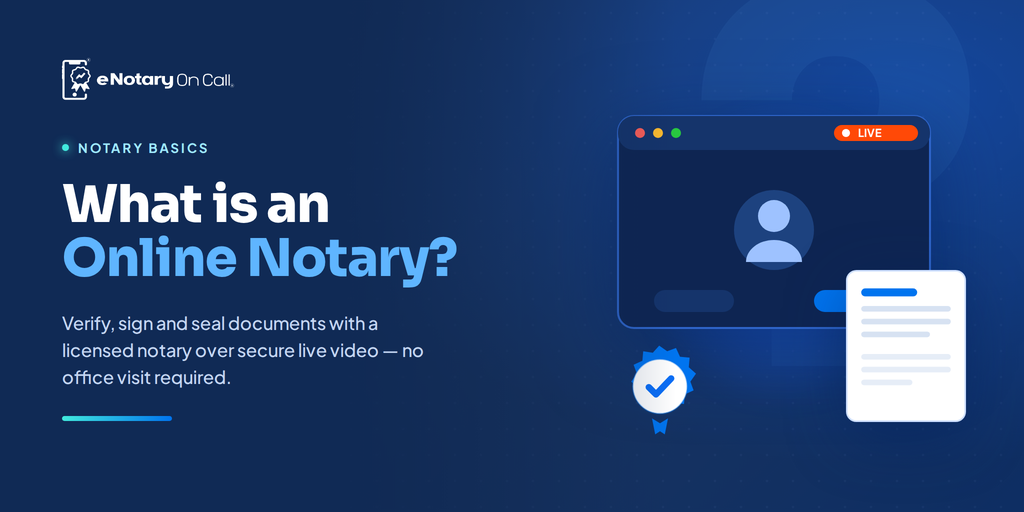
If you’ve ever had to get a document notarized, you probably remember the routine: finding a local notary, scheduling a time to meet, and driving over to sign your papers in person. An online notary, also known as a remote online notary, changes all of that. Think of it as a secure, official video call where a licensed notary public can witness your signature and notarize your documents digitally. It’s a convenient alternative that lets you complete the entire process from your computer or smartphone.
This method, called remote online notarization (RON), is designed to be both secure and efficient, saving you a trip and fitting into your schedule. Instead of working around a notary’s office hours, you can often get your documents handled in just a few minutes, whenever you need to. It’s a modern solution to a traditional task, making legal formalities much more accessible.
How does Remote Online Notarization (RON) work?
The idea of notarizing a document online might sound complicated, but the process is surprisingly straightforward. First, you’ll choose a RON platform and upload the document you need notarized. Next, you’ll verify your identity. This usually involves taking a photo of your government-issued ID (such as a driver’s license) and answering a few security questions.
Once your identity is confirmed, you’ll connect with a licensed notary through a live, two-way video call. The notary will confirm your identity again, watch you electronically sign the document, and then apply their own digital signature and seal. The entire session is recorded and stored, adding an extra layer of security to the transaction. From start to finish, you can get your document legally notarized without ever leaving your home.
Online vs. Traditional Notarization: What’s the difference?
The biggest difference between online and traditional notarization comes down to one word: presence. Traditional notarization requires you and the notary to be physically present in the same room. You sign a paper document with an actual pen, and the notary stamps it with a physical seal. With online notarization, you meet remotely over a secure video connection.
For Californians, this distinction is especially important. While notaries commissioned in California cannot yet perform remote notarizations, you can still legally use an online notary service that operates out of another state.
Thanks to interstate recognition laws, a document notarized online by a licensed notary in a state like Virginia or Texas is legally valid in all 50 states, including California. Just be sure to confirm with the person or agency receiving your document that they accept out-of-state remote notarizations.
Is Online Notarization Legal in California?
So, what’s the deal with online notarization in the Golden State? The short answer is yes, it’s legal, but there’s a significant catch you need to know about. While California has officially passed a law to authorize Remote Online Notarization (RON), the state is still working on the backend systems required to make it happen. This means that while the future is digital, the present is a little more complicated.
For now, notaries based in California are not yet permitted to perform online notarizations themselves. However, this doesn’t leave you without options. California law recognizes online notarizations performed by notaries commissioned in other states. This is a key detail that allows Californians to legally and conveniently get documents notarized online, as long as they connect with a notary in a state where RON is fully up and running.
It’s a workaround, but a perfectly legal one that opens up a world of convenience. In the following sections, we’ll break down the specific law, why there’s a delay, and what this all means for you.
The status of Senate Bill 696
The big news in California’s notary world is Senate Bill 696. This piece of legislation was signed into law, officially giving the green light to remote online notarization statewide. It’s a huge step forward, aligning California with the many other states that already offer RON services.
The bill lays the groundwork for a future where you can get a document notarized from your living room. Passing the law was the first major hurdle, and it signals a clear commitment to modernizing notary services for all Californians. Now, the focus shifts from legislation to implementation.
Why RON isn’t fully available yet
Even though a law is on the books, you can’t just call up your local California notary for a video session yet. The reason for the delay is technology and infrastructure. Senate Bill 696 requires the California Secretary of State to build a secure, reliable system for online notarizations. This involves developing new technologies, establishing data security protocols, and creating a framework for managing and overseeing remote notaries.
The state has until January 1, 2030, to get everything up and running, though the systems may be ready sooner. This process ensures that when RON does launch for California notaries, it will be safe and trustworthy.
What California notaries can (and can’t) do online?
This is where the distinction becomes really important. Currently, a notary public who is commissioned in California cannot legally perform a remote online notarization. They must wait until the Secretary of State officially launches the new RON system. However, the law includes a provision that is great news for residents.
California law recognizes remote notarizations performed by notaries commissioned in other states, as long as the notarization follows the laws of that notary’s state. So, while you can’t use a California-based notary for RON, you absolutely can use a platform that connects you with a licensed notary from a state like Virginia, Florida, or Texas to legally notarize your documents online.
Can Californians Use an Out-of-State Online Notary?
So, you’re in California, you need a document notarized, and you’d rather do it from your couch than drive to a notary’s office. The big question is: can you use an online notary service? The short answer is yes, you absolutely can. While California is still working on its own online notarization system, you have a perfectly legal and convenient option available right now. It just involves working with a notary who is based in a different state. Let’s walk through how this works and what you need to know to get it done right.
How does interstate RON make it possible?
You might be wondering how a notary in, say, Virginia can legally notarize your document in California. It all comes down to a legal concept called interstate recognition. Think of it like your driver’s license: you can legally drive in any state, not just the one that issued it.
Similarly, California law recognizes notarial acts performed in other states, as long as the notary follows the laws of their own state. So, when you use a remote online notarization (RON) platform, you’re connected with a licensed notary who performs the notarization in accordance with their state’s specific RON regulations. It’s a secure and legally sound process.
When does California Accept out-of-state Notarizations?
Right now, using an out-of-state notary isn’t just an option for Californians; it’s the only option for online notarization. California passed SB 696 to officially legalize RON for its own notaries. However, the state needs to build the technology and infrastructure to support it, a process that isn’t expected to be complete until 2030. Until then, California-based notaries are not authorized to perform remote online notarizations. This makes out-of-state RON services the go-to solution for any Californian needing the convenience of online notarization. It’s the established, accepted method while the state prepares its own system.
Documents that require in-person notarization
While RON is a fantastic tool, it’s not a universal solution for every single document. Some legal documents in California may still require a traditional, in-person notarization. This often applies to highly sensitive transactions or documents subject to specific statutory requirements, such as certain wills, codicils, or trusts.
Before you jump into an online session, the most important step is to check with the receiving party. This could be a government agency, a bank, or your lawyer. Ask them directly whether they will accept a document notarized remotely by an out-of-state notary. This simple confirmation can save you a lot of time and potential headaches.
How to Get a Document Notarized Online in California
Even though California-based notaries can’t perform remote online notarizations (RON) just yet, you can still get your documents notarized online from the Golden State. The process is secure, legally recognized under specific conditions, and surprisingly straightforward. California law accepts out-of-state notarizations as long as they are performed in accordance with the laws of the state where the remote notary is located. This is a key point that makes online notarization accessible to Californians today.
This means you can connect with a licensed notary in a state such as Virginia, Florida, or Texas to notarize your document via a live video call. These platforms use advanced identity verification technology and create a secure audiovisual recording of the session, offering a level of security that often surpasses that of a traditional in-person meeting. Think of it as a virtual office visit with a state-licensed professional, all from the comfort of your home. The entire process is designed to be quick, compliant, and convenient. Ready to get started? Here’s a simple, five-step guide to getting your document notarized online.
Step 1: Confirm acceptance with the receiving party
Before you do anything else, check with the person or organization that will receive your notarized document. This is the most critical step. While out-of-state remote notarizations are legally valid, some institutions, such as county recorders or certain banks, may have internal policies requiring an in-person, California-based notary.
A quick phone call or email to confirm they accept documents notarized remotely by an out-of-state notary can save you a lot of time and potential headaches. Getting a clear “yes” from the receiving party ensures your document will be accepted without issue.
Step 2: Choose a RON platform
Once you have confirmation, it’s time to pick an online notary service. Platforms like eNotary On Call and an online notarization provider are designed for this exact purpose. These services will connect you with a properly commissioned notary from a state where remote online notarization is fully legal.
The entire process is handled through the platform’s secure portal, which is built to comply with the interstate recognition laws that make this possible. You don’t need to find a notary yourself; the platform does all the work of connecting you with a licensed professional who is available on demand.
Step 3: Get your ID Ready
To verify your identity, you will need to prove you are who you say you are. Make sure you have a valid, unexpired government-issued photo ID on hand. This could be a driver’s license, state ID card, or passport. Most platforms use a two-step verification process. First, you’ll take a picture of the front and back of your ID.
Second, you may need to answer a few security questions based on your personal history, which often require your U.S. Social Security number to generate them. This process, known as knowledge-based authentication (KBA), adds an essential layer of security.
Step 4: Upload your Document
Next, you’ll upload the document you need notarized. Nearly all online notary platforms accept common file types like PDFs. You can typically upload a file directly from your computer or a cloud storage service. Before you connect with the notary, the platform will prompt you to mark the spots where you need to sign and where the notary needs to place their digital seal. This preparation ensures the live session is quick and efficient. After you upload your document and confirm your identity, you can connect with a live notary, often in just a few minutes.
Step 5: Join the live video session
The final step is to meet the notary face-to-face via a secure video call. During this session, the notary will confirm your identity one more time, witness you digitally sign the document, and ask any required questions. You will sign using your mouse or touchscreen, and the notary will then apply their digital signature and seal.
The entire session is recorded and stored as a secure record of the notarization. Once the call is complete, you can immediately download your legally notarized document and share it with the receiving party.
Top Online Notary Services for Californians

Even though California is still working on its own remote online notarization (RON) system, you can get your documents notarized online today. The key is to use a platform that connects you with a commissioned notary from a state where RON is fully established. This is a perfectly legal and accepted practice for many documents.
When you start looking for a service, you’ll find several great options. Most of these platforms operate similarly: you upload your document, verify your identity using your photo ID, and then connect with a live notary via a secure video call. The notary witnesses your signature and applies their digital seal. To help you get started, here are a few of the top services that Californians can use right now.
Look for transparent pricing and availability
An online notarization provider is a popular choice for people and businesses in California. The platform connects you with a remote notary from another state to legally notarize your documents. The process is straightforward, and they also offer in-person mobile notary services in many California cities if you decide you need a face-to-face meeting instead.
For online services, the pricing is clear and competitive. A standard notarization starts at $25. If you have a document that requires more than one notarial act, it’s an extra $10 for each additional seal. This transparent pricing makes it easy to know what you’ll pay before you even begin.
Look for speed and secure identity verification
If you need a document notarized at an odd hour, an online notarization provider is an excellent option. Their biggest advantage is having notaries available 24 hours a day, 7 days a week. This means you can get something notarized late at night or over the weekend without any issue. According to their site, you can connect with a notary almost instantly after you upload your document and verify your identity.
The cost is similar to other platforms, starting at $25 for a single notarization. Each additional notary seal on the same document costs an extra $10. An online notarization provider makes it clear that California accepts online notarizations performed by out-of-state notaries, giving you confidence that the process is valid.
Other platforms to consider
Beyond the dedicated notary platforms, some familiar brands also offer these services. For example, FedEx Office provides a way to get your documents notarized online from anywhere, using your computer, phone, or tablet. You can connect with a live notary via their system for a secure, convenient experience.
The cost for a notarization through FedEx Office is $25 for one document, with each additional seal costing $10. Because it’s a well-known company, some people find it to be a comfortable starting point for their first online notarization. As with any service, it’s always a good idea to confirm that the platform’s technology and the out-of-state notary’s commission are valid.
How Much Does Online Notarization Cost?
When you get a document notarized online, you’re paying for both the notary’s services and the convenience of the secure digital platform. While the price might seem higher than walking into a local notary’s office, you’re saving time and travel costs. The good news is that pricing for remote online notarization (RON) is fairly consistent across platforms, making it easy to anticipate how much you’ll spend.
Most services use a straightforward pricing model based on the number of notarial acts, or “seals,” you need during a single session. This means you can get multiple documents notarized on a single video call without paying the base fee multiple times. Understanding the costs ahead of time helps you budget accordingly and avoid any surprises, whether you’re notarizing a single form or a whole stack of paperwork.
Breaking down the cost
The cost for online notarization is generally straightforward. Most platforms charge a flat fee for the session itself, which includes one notarial seal. You can expect this initial fee to be around $25. For example, major platforms, such as online notarization providers, clearly list their per-meeting price, so you know the starting cost upfront.
If you have more than one signature to be notarized or multiple documents, there’s usually an additional charge for each extra seal. This fee is typically $10 per seal. This pricing structure is common across services, including online notarization providers, which also begin at $25. This model is helpful because it lets you easily calculate your total cost before you even begin the process.
Extra fees to watch for
Beyond the base fee and charges for additional seals, a few other costs may arise. One common extra fee is for witnesses. If your document requires a witness and you don’t have your own, the platform can often provide one for you. Services like FedEx Office note that this usually costs about $10 per witness they provide. Always check if you need a witness beforehand to factor this into your budget.
For businesses with regular notary needs, some platforms offer special deals. For instance, you might find promotions such as getting your first few notarizations free when you sign up for a business account. It’s always a good idea to check a platform’s business or enterprise section if you expect to need notary services frequently, as you could find significant savings.
Potential Risks of Using an Out-of-State Notary
Using an out-of-state online notary is a fantastic, convenient option for most Californians. But like any process, it helps to know about the potential bumps in the road so you can steer clear of them. Thinking through these few risks beforehand will ensure your notarization goes smoothly and your document is accepted without a hitch.
Will your document be accepted?
This is the number one question, and for good reason. The good news is that California law recognizes out-of-state remote notarizations, as long as the notarization follows the laws of the state where the remote notary is located. However, the final say often comes down to the specific agency, bank, or person you’re sending the document to.
Some organizations, especially certain government offices or older financial institutions, may have internal policies requiring an in-person, California-based notary. Before you start the online process, make a quick call to the receiving party to confirm they accept documents notarized online by an out-of-state notary. This simple step can save you a major headache later.
Verifying the notary’s credentials
How do you know the notary on your screen is legitimate? This is a valid concern, but reputable online notary platforms have you covered. These services are responsible for vetting every notary on their platform, ensuring they are licensed, insured, and in good standing in their home state.
The real risk isn’t the notary themselves, but the platform you choose. Avoid obscure websites or services without a proven track record. By sticking with a well-known and trusted RON provider, you can be confident that you’re connecting with a qualified professional who is authorized to perform the notarization.
Identity verification and security
Uploading your driver’s license and sensitive documents to a website can feel a bit nerve-wracking. Security is a top priority for legitimate RON platforms because their entire business depends on it. Leading services use multiple layers of protection to confirm your identity and safeguard your information. This includes knowledge-based authentication questions (those “what was your first car?” type questions) and credential analysis, which scans your ID for signs of tampering.
The video session itself is also recorded and stored securely. Look for platforms that openly discuss their security protocols, such as compliance with standards like SOC 2 and ISO 27001, which are rigorous, third-party audits of their security practices.
Technology and compatibility issues
The most common hiccup in the online notarization process is a simple tech glitch. A dropped call or a grainy video feed can bring everything to a halt. To avoid this, you’ll need a stable internet connection and a device with a working camera and microphone, like a smartphone, tablet, or computer. Before your appointment, find a quiet, well-lit spot to minimize background noise and distractions.
It’s also a good idea to close other applications on your device to ensure the best possible connection for your video call. Taking a few minutes to prepare your tech can help you avoid frustration and ensure your session runs quickly and efficiently.
Online vs. Traditional Notary: Which Should You Choose?
Deciding between an online notary and a traditional one often comes down to your specific needs, your document, and your comfort level with technology. While heading to a local notary is a familiar process, remote online notarization offers a different set of benefits and considerations. Let’s break down the pros and cons to help you figure out which path is right for you.
The pros of going online
The biggest advantage of online notarization is convenience. You can get documents notarized from your home or office, 24/7, without ever needing to schedule an appointment or wait in line. Platforms have notaries available around the clock, so you can connect with someone instantly, even at odd hours.
The entire process is incredibly fast, with most sessions wrapping up in about 10 minutes. This is a huge time-saver compared to finding, traveling to, and waiting for an in-person notary. Plus, reputable online notary services use advanced security measures and identity verification technology to keep your information safe and prevent fraud, giving you peace of mind.
The cons of going online
The main thing to remember is that while you can legally get a document notarized online as a Californian, the notary performing the act will be commissioned in another state. California-based notaries are not yet authorized to perform remote online notarizations. While state law makes these out-of-state notarizations valid, this nuance can sometimes cause issues. The biggest potential hurdle is acceptance.
Not every agency or recipient will accept an electronically notarized document, especially one handled by an out-of-state notary. Before you start, you absolutely must confirm with the receiving party that they will accept your document in this format to avoid any delays or rejections.
The Future of Online Notarization in California
It’s an exciting time for notarization in California. The state is officially on the path to adopting Remote Online Notarization (RON), which promises to make getting your documents notarized more convenient than ever. However, the road from passing a law to putting it into practice has a few twists.
While the future is bright and digital, California-based notaries can’t perform online notarizations just yet. Think of it as a “coming soon” sign on your favorite new shop; the doors are not quite open for business. Let’s break down what the timeline looks like and what you can do in the meantime.
The path to full RON implementation
The good news is that the legal groundwork is already laid. California passed Senate Bill 696, a landmark piece of legislation that officially gives RON the green light statewide. This is a huge step forward, acknowledging the need for more modern and accessible notary services.
The catch? The law includes a provision that the system won’t go live immediately. California-based notaries must wait until the state builds and implements the necessary technology infrastructure to support secure online notarizations. The state has until the beginning of 2030 to get everything up and running, though it’s possible it could happen sooner.
The Secretary of State’s role
So, why the long wait? The responsibility for this massive project falls to the California Secretary of State. Their office is tasked with developing the secure technology systems required for RON. This isn’t just about creating a website; it involves building a secure, reliable platform for identity verification, video conferencing, and digital record-keeping that meets the state’s high standards.
Even though RON is now legal, the state needs time to build this system correctly to protect both consumers and the integrity of the notarization process. Until that technology is fully developed, tested, and launched, notaries physically located in California are not authorized to perform remote online notarizations.
What you can do while you wait
This is where it gets interesting. Just because California notaries are waiting doesn’t mean you have to. The state has a rule called interstate recognition. This means California accepts documents notarized online by a notary in another state, as long as the notarization complied with that state’s laws.
So, if you’re in California and need a document notarized online, you can connect with a remote notary commissioned in a state like Virginia or Florida, where RON is already fully established. As long as the notary follows their state’s rules, your notarized document is a perfectly legal option for Californians who need the speed and convenience of online notarization today.
Frequently Asked Questions
1. Can I get a document notarized online in California?
Yes, you absolutely can. While notaries based in California are not yet authorized to perform online notarizations, you can legally use a platform that connects you with a licensed notary from another state. Thanks to interstate recognition laws, a document notarized online by a notary in a state like Virginia or Florida is legally valid in California.
2. Why can’t I just use my local California notary for an online session?
Even though California passed a law to approve remote online notarization (Senate Bill 696), the state still needs to build the secure technology and infrastructure required to support it. Until that system is officially launched by the Secretary of State, notaries commissioned in California are only permitted to perform traditional, in-person notarizations.
3. What is the most important thing I need to do before using an online notary?
Before you start, you must confirm with the receiving party (the person, bank, or agency receiving your document) that they will accept a document notarized remotely by an out-of-state notary. While it is a legally valid method, some organizations may have internal policies that require an in-person notarization in California. A quick phone call or email can save you a lot of trouble.
4. Is online notarization more expensive than going to a notary in person?
The fee for an online session, which is usually around $25 for one notarial act, can be higher than the standard fee for a traditional notary. However, you are paying for the convenience of 24/7 availability and the ability to complete the process from home in minutes. When you consider the time and travel costs you save, many find it to be a great value.
5. How do I know the out-of-state notary is legitimate and that the process is secure?
Reputable online notary platforms are responsible for vetting every notary they work with, so you can be confident you are connecting with a licensed professional. These services also use multiple layers of security, including verifying your government ID, asking personal security questions, and recording the entire video session to create a secure, verifiable record of the event.